Construction, Decks & More
Why Contractors Should Care About Eco-Friendly Fasteners
Wood screws can be eco-friendly if they're rust-proof and can last more than your lifetime. What matters most is using screws that won't need replacing every few years.
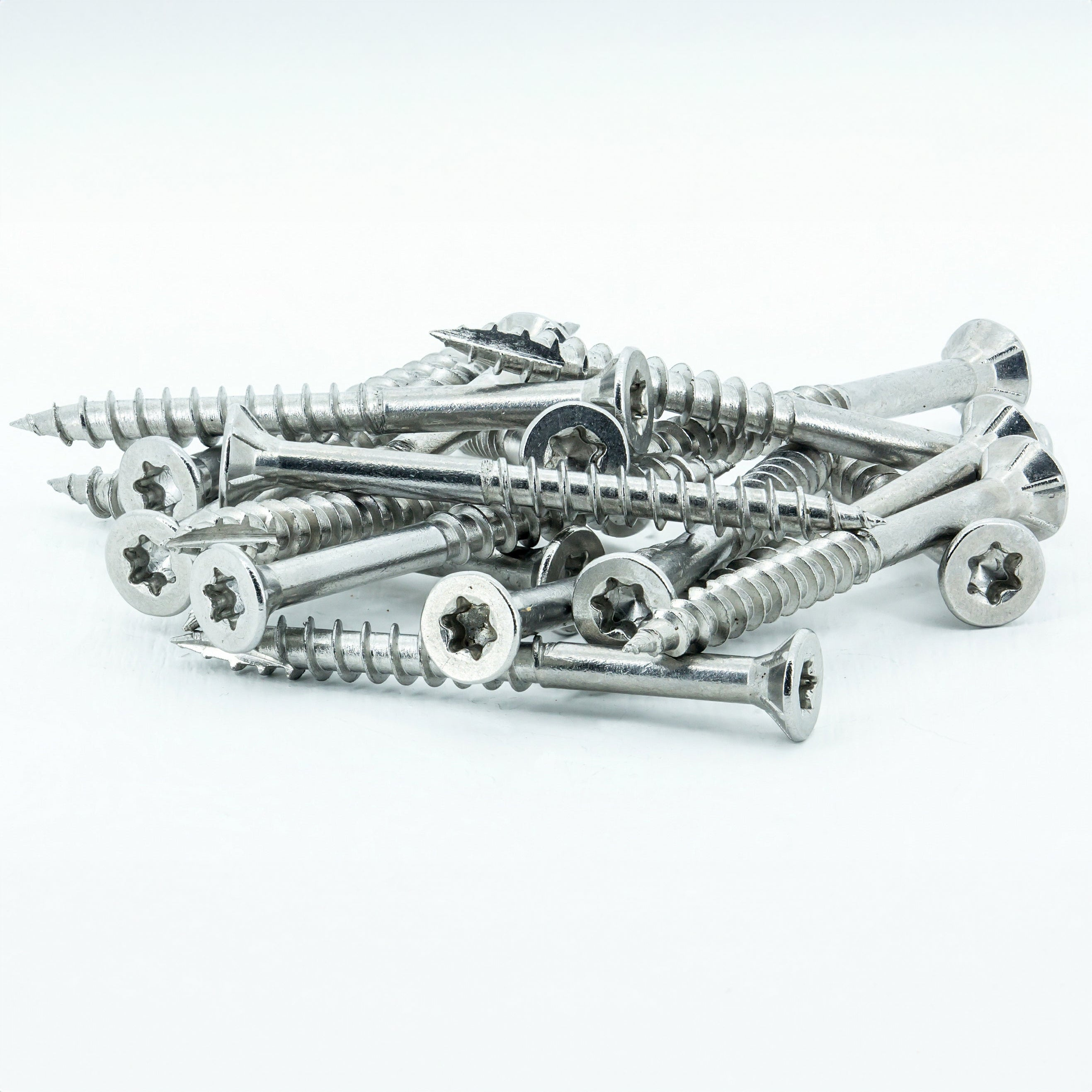
316-grade stainless steel screws are best for coastal salt spray and humidity without rusting, which cuts down on waste and callbacks. For inland spots with lower humidity and moderate temps, 304 stainless does the job fine and costs less.
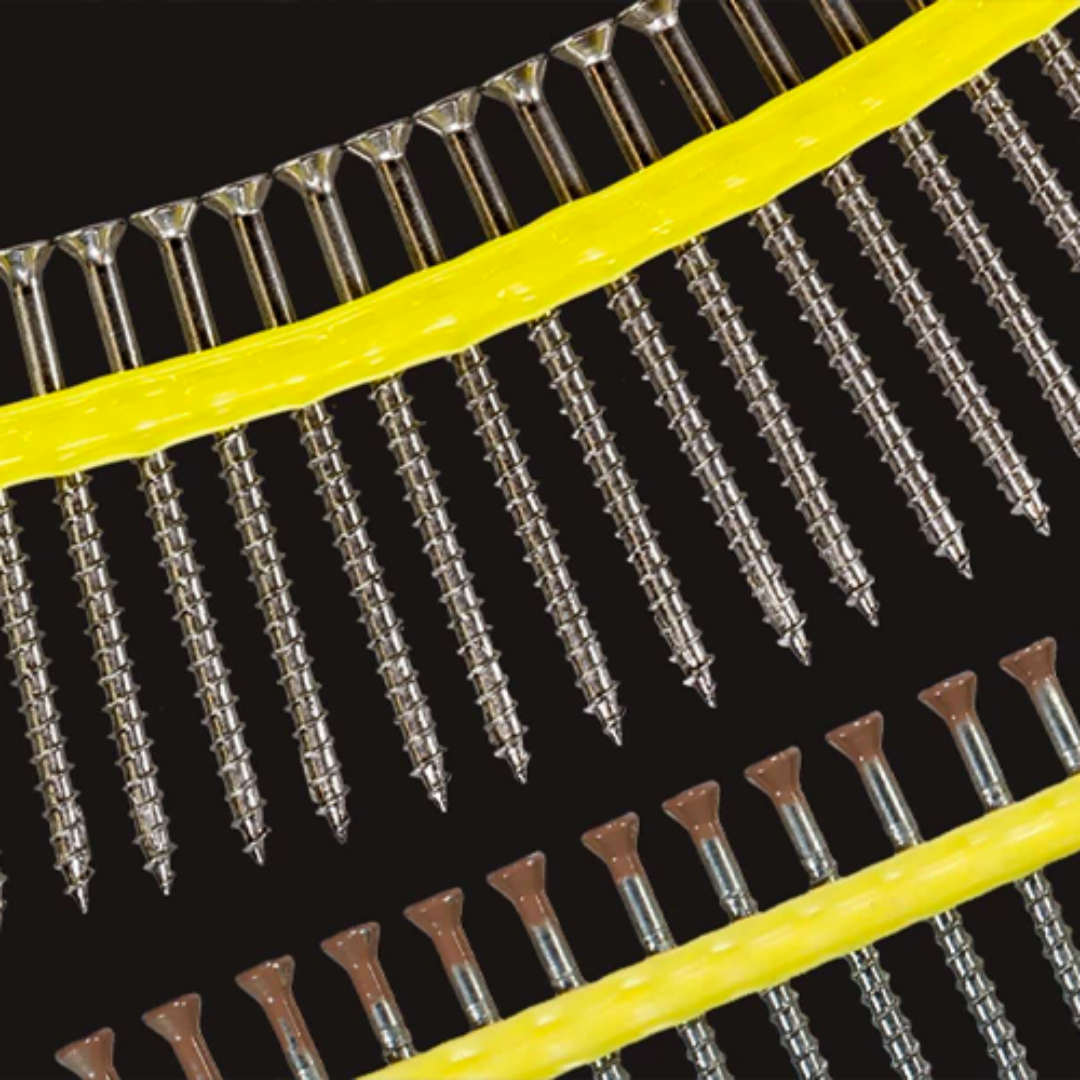
Coated screws with ceramic or epoxy finishes last longer and use less energy to make than old-school galvanized options. There are even wooden nails from LIGNOLOC that work great for certain timber projects and break down naturally.
The best eco-friendly wood fasteners mean fewer repairs, fewer screws going into landfills, and timber structures that hold up. Brands like Simpson Strong-Tie and Eagle Claw design screws that can be easily installed and can withstand every climate for years. For contractors, this saves time and money and cuts their project’s carbon footprint.
Innovations in Fastening Technology: What's New in 2025
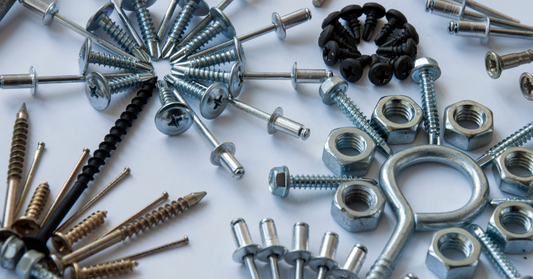
The new fastening technologies in 2025 include biodegradable fasteners, recycled and recyclable fasteners, coated fasteners with carbon-neutral coatings, smart fasteners with sensors, and customized, co-engineered fasteners.
There are also Simpson Strong-Tie products released in 2025, including the MPSC™ High-Capacity Connections for Mass Timber, Enhanced Mass Timber Screws, and Sage System™ Pergola Connectors.
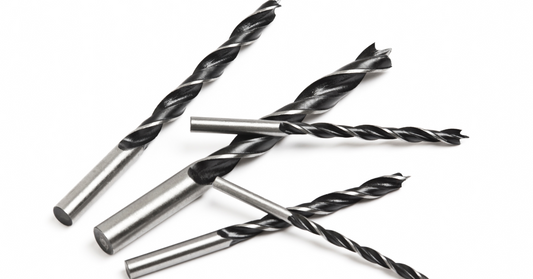
The Right Drill Bit Size for Wood Screws to Prevent...
The size of the hole for wood screws for pilot holes should be smaller than the minor diameter (the size without the threads) of the screw for softwoods. For hardwoods, use a larger bit for pilot holes.
The size of the hole for wood screws for clearance holes should be the same size or slightly larger than the major diameter (the size with the threads) of the screw.
You can know what drill bit to use by “eyeballing” it or using a caliper. For beginners (and people with bad eyesight), the easiest way is to buy a wood screw gauge on Amazon. Just slide your bit or your screw into the slot for the type of wood you’re using, and you’re done.
Always use pilot holes for stainless steel wood screws. Always drill clearance holes when joining two pieces of hardwood.

Prevent Rust on Screws in Humid Areas for Long-Lasting Outdoor...
We are timber construction specialists. With decades of building and fixing in real weather, we learned how to keep screws from rusting in humid areas so outdoor wood structures last.
Rust needs three things: oxygen, moisture, and a metal surface. In hot, sticky weather, once relative humidity climbs past roughly 60%, a thin film of water can sit on screw heads and in tiny crevices.
If heat and humidity are the drivers, the fix is straightforward: choose corrosion-resistant screws, block the moisture path, and seal the joint.
The best screws for outdoor use are stainless steel from Eagle Claw Fasteners and coated screws from Simpson Strong-Tie. Waterproof exterior screws by sealing the penetration so water can’t sit under the head or wick down the threads. Doing proper maintenance keeps water out and can prevent minor issues, but it cannot turn a poor screw into a good one.
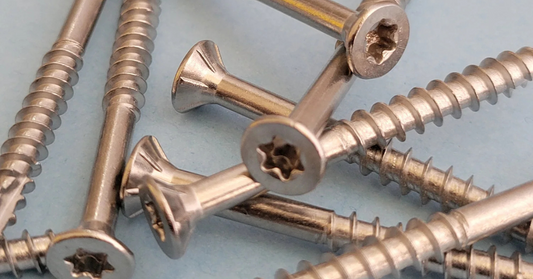
Tips for Constructing a Long-Lasting Deck Using Stainless Steel Fasteners
As professional deck builders, our top advice when people ask us how to build a strong deck is to use stainless steel fasteners. Still, a lot of folks hesitate because of myths they’ve heard.
The truth is that most horror stories come from using the wrong grade, mixing metals, skipping pilot holes in dense boards, or over-driving with a worn bit, and not from stainless itself.
When constructing a long-lasting deck, first figure out if your location is better off using 304 or 316 stainless steel, use the proper driving technique, always predrill into the wood, only use stainless steel hangers with stainless steel screws, and do not use deck cleaners that can be abrasive to stainless steel.

The Best Way to Reinforce a Wooden Structure with Structural...
We’ve seen great-looking decks and garden beds start to wobble, feel unsafe, or even fail due to weak joints or low-quality fasteners. That’s why we created this guide to show what it really takes to keep your structures safe, strong, and reliable.
Reinforcing a wooden structure comes down to two key principles: using the right structural screws and applying proper bracing. Structural fasteners like the Simpson Strong-Tie SDWS and SDWH are tested and ICC-certified to replace lag screws in critical connections. They offer superior load strength, corrosion resistance, and long-term durability. Along with that, bracing techniques like diagonal bracing, V bracing, or mid-span blocking lock joints in place and prevent sway, racking, and movement from wind, shifting soil, or daily use.
Whether you're working on a deck, pergola, dock, fence, or garden bed, we show you how to reinforce each one the right way. From choosing the best structural screws for your environment to cutting and installing braces for real support, this guide brings together everything we’ve learned from decades in the field.